







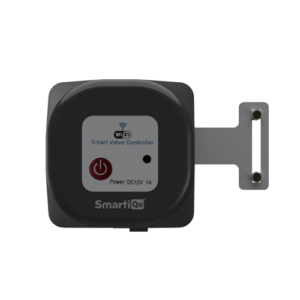


Technicians or authorized personnel must thoroughly assess the reported issue to determine its legitimacy. This involves inspecting the product for signs of installation errors, short circuits, or other external factors that might have caused the problem.
Document findings with detailed descriptions and, must send, photographs or videos.
A detailed report must be prepared outlining the findings of the assessment, including potential causes and initial diagnostic results.
Check the product’s purchase date and warranty period to confirm if it is still under warranty. Cross-reference with the original purchase receipt or warranty card.
Examine the warranty terms to ensure the issue does not fall under exclusions such as mishandling, unauthorized repairs, or modifications. Any such conditions that might void the warranty must be noted.
Maintain a detailed record of any previous repair attempts made on the product. This should include dates, nature of repairs, and the outcomes of each attempt.
Review past repair records to determine if the same issue has been recurring and the effectiveness of past repair attempts.
Check if the necessary spare parts for the repair have been provided or are available. If parts were provided, document their usage and the repair results.
If spare parts have not been provided, outline the steps to acquire them and estimate the repair timeline. Ensure communication with the customer regarding the status and expected resolution time.
Ensure all possible repair options have been tried before considering a replacement. This includes multiple diagnostic checks and attempting all feasible repairs.
If the product cannot be repaired despite exhaustive efforts, prepare a final assessment report justifying the need for replacement. Include details of all attempted repairs and reasons for failure.
Maintain thorough documentation of all findings, assessments, repair attempts, and communications related to the issue. This includes photographic evidence, technician reports, and customer communications.
Ensure all documents are stored systematically for easy reference and accountability. This documentation will serve as a crucial reference for any future claims or audits.
Ensure all technicians and customer service representatives are trained on this replacement policy to guarantee consistent application.
Clearly communicate the policy to customers, outlining the process and timelines for issue assessment, repair, and potential replacement.
Regularly review and update the policy to address any new issues, technological advancements, or feedback from stakeholders.